
Rethinking Power
Diesel, hydrogen and what’s next for off-highway power
In today’s industry demands, engine and drive systems are asked to offer reduced emissions, fuel flexibility and lower total cost of ownership, all while providing more reliable, higher performance. In response, manufacturers in off-highway sectors, including cranes, lifting equipment and heavy construction machinery, are advancing both traditional diesel platforms as well as alternative fuel technologies.
These new engine products are able to achieve greater fuel efficiency, lower emissions compliance, longer maintenance intervals, improved durability within demanding applications and renewable fuel readiness.
Diesel Still Dominates
The Cummins Next Gen X15, Caterpillar C32B and Liebherr D9612 serve as indicators that diesel remains a prominent figure in the off-highway engine market, but also that there is a significant shift toward improving efficiency.
The Cummins Next Gen 2027 X15 Off-Highway engine made its debut at CONEXPO-CON/AGG 2026 in Las Vegas, Nevada. This version, updated from the 2024 X15, runs primarily on diesel, but is also compatible with a range of alternative fuel options, including HVO biofuels and future hydrogen capabilities. It also has a 4% improvement in fuel efficiency compared to the 2024 EPA X15.
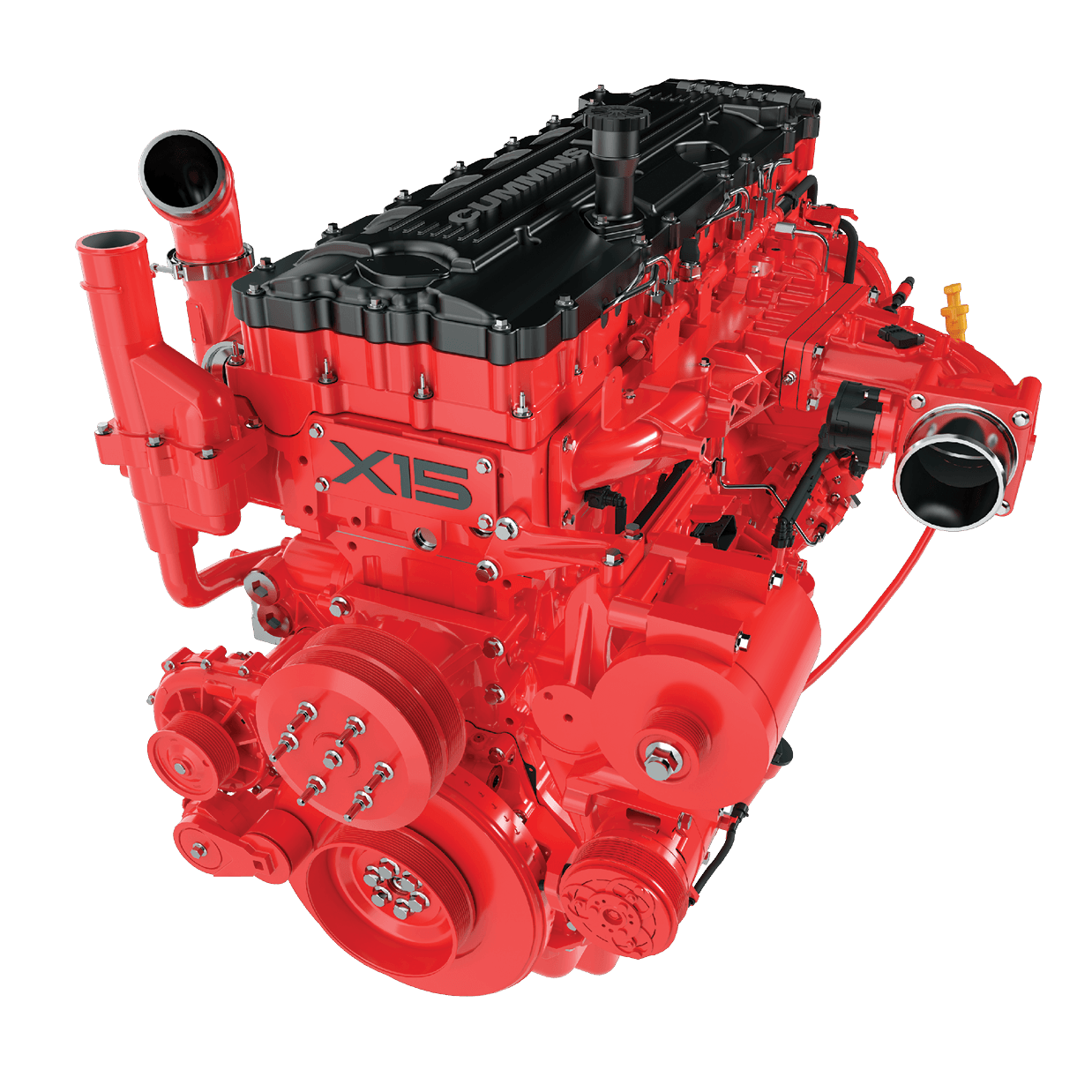
The engine incorporates several engineering updates aimed at improving performance and efficiency. Weight has been reduced while strength has been increased through a redesigned, sculpted engine block, resulting in a weight-neutral configuration. An updated piston bowl design raises the compression ratio, while a revised piston skirt reduces friction to improve fuel economy. The selective catalytic reduction (SCR) system has also been enhanced to improve NOx conversion and cold-temperature performance. In addition, a 48-volt alternator supports electric heating technology for faster catalyst warmup and provides dedicated power for the system’s thermal management needs.
In the design, several elements are also intended to improve maintenance and operating costs, such as cartridge-style filters that reduce service complexity while minimizing environmental impact. Extended maintenance intervals further help reduce downtime, supporting longer service life between scheduled maintenance events.
Introduced in September 2025, the Caterpillar C32B for large off-highway machines, such as cranes, large loaders, hydraulic power units, dredgers and surface hauling equipment, is a 32.1-liter, 12-cylinder engine. This introduction focuses on durability and rebuild intervals, supported by structural enhancements designed to improve long-term reliability under heavy-duty operating conditions.
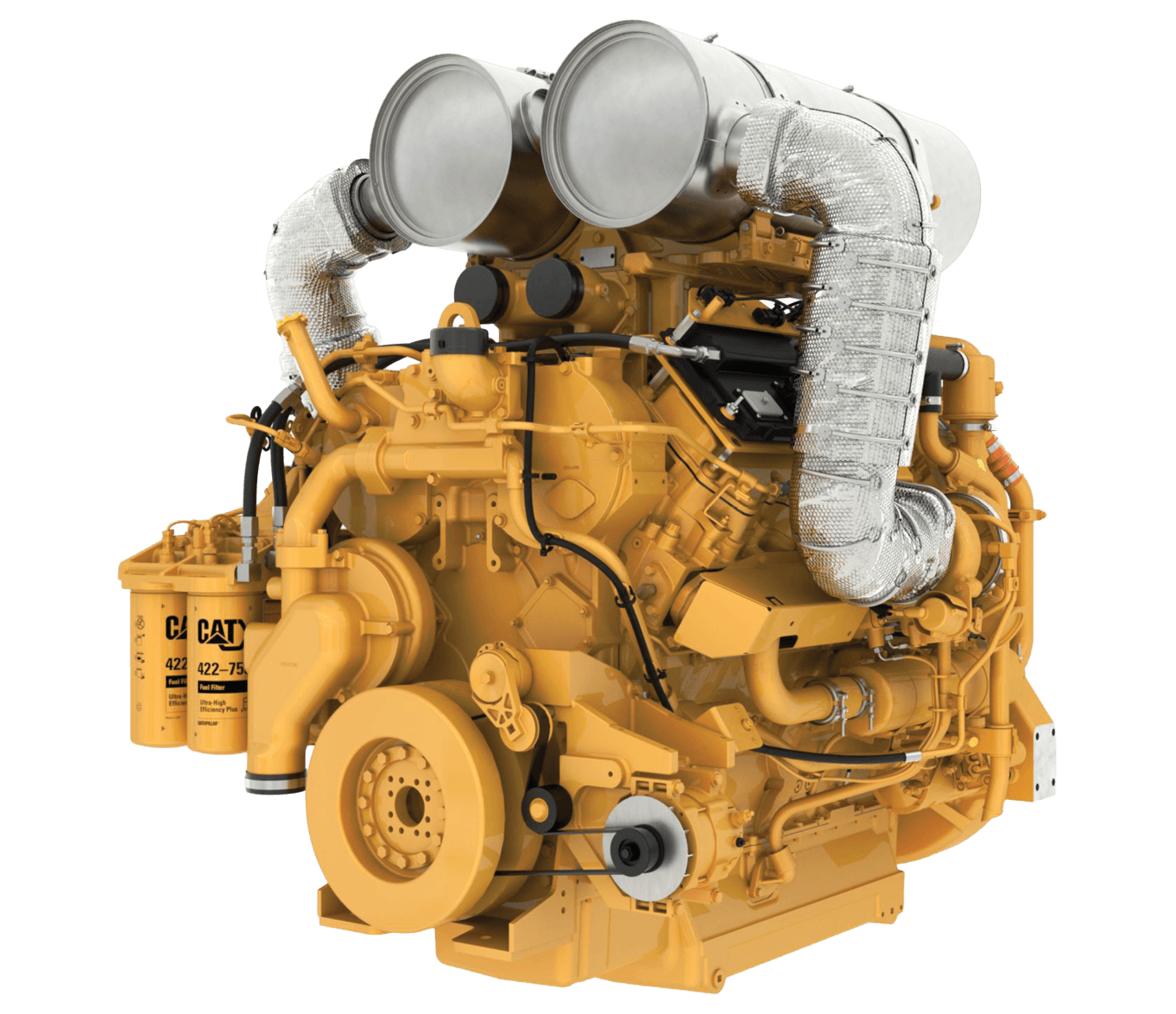
Updates to the engine include a strengthened cast-iron engine block, an induction-hardened crankshaft with larger journal diameters and increased bearing area and a revised lubrication system with a higher-capacity oil pump and improved cooling flow. Additional refinements to the cylinder head and sealing systems further support wear resistance, while flexible mounting options and integrated aftertreatment systems are designed to simplify installation and reduce overall system complexity.
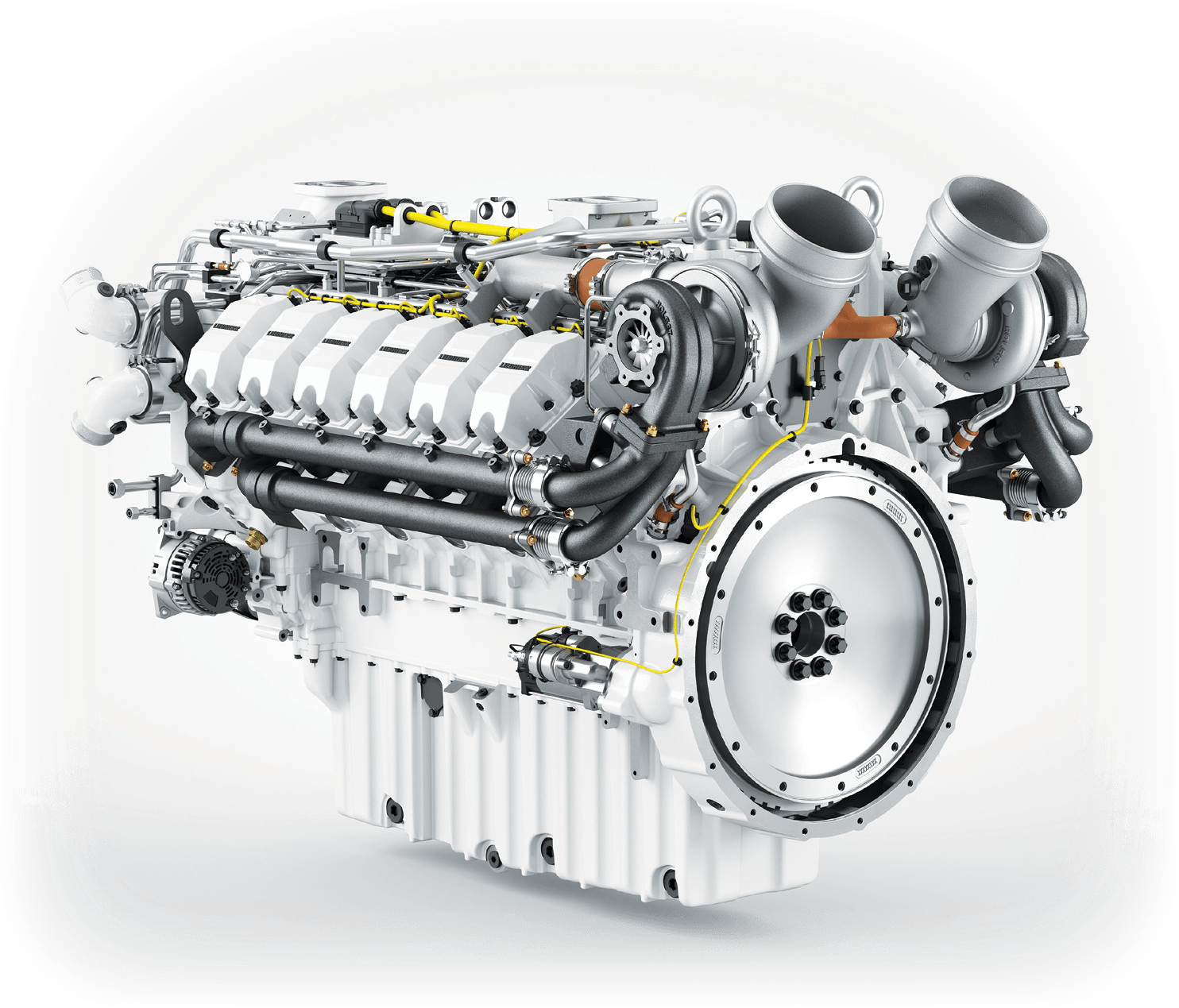
Liebherr is also exploring next-generation engine concepts, with the reveal of the D9612 high-performance combustion engine at bauma 2025. The 12-cylinder engine is rated for 1,494 horsepower and engineered specifically for mission-critical power generation applications in demanding operating conditions. Development of the D9612 focused on balancing performance with improved fuel consumption and reduced emissions, reflecting a broader industry effort to maintain high power density while meeting strict environmental regulations.
Fuel Flexibility
While diesel still reigns, the industry is also seeing a trend toward fuel flexibility. Cummins higher efficiency, lower emissions and multiple fuels (HELM) platforms, which include the 2024 X15 as well as the X10 and B series, aim to reduce emissions while promoting cleaner technologies. Cummins notes that the ability for businesses to choose their fuel types is a “game changer” when adopting cleaner fuels, as it won’t require a complete overhaul of fleets.
At the core of this approach is a common engine base that remains consistent across platforms, while key components such as cylinder heads and fuel systems are tailored to specific fuel types. This allows the same fundamental engine architecture to support alternative fuel types without requiring a completely different engine design.
Fuel options under the HELM platform include advanced diesel, natural gas and hydrogen, giving original equipment manufacturers (OEMs) and equipment owners a wider range of pathways as regulations and fuel availability continue to vary by region. This flexibility is increasingly important as manufacturers work to meet Stage V emissions requirements and prepare for future compliance standards.
Hydrogen Moves Closer
Next in line for off-highway equipment, hydrogen combustion is on its way to becoming a more practical alternative in the industry.
The Cummins B6.7H for off-highway applications is a hydrogen platform with a top rating of 290 horsepower and 885 foot-pounds (1,200 newton-meters) of peak torque for Stage V/Tier 5 applications. The engine is designed to appeal to manufacturers by leveraging much of the same core hardware and systems used in diesel platforms, including compatibility with existing transmission, cooling and hydraulic systems. This approach helps reduce integration complexity for OEMs, making it easier to adapt existing machine architectures to lower-emission fuel options without major redesigns.
Liebherr’s compact, off-road H966, also on display at bauma 2025, is a six-cylinder hydrogen engine prototype, still in development. It features port-fuel technology (PFI) and has close to “zero” NOx and CO2 emissions. Liebherr describes the engine as the “sweet spot” between combustion engine developments and advanced technologies that optimize hydrogen combustion. This approach is simultaneously directed at both performance and emissions.
Building on that direction, Liebherr is also developing a hydraulic air booster system with potential applications in future alternative-fuel engines. The system recovers hydraulic energy and uses it to drive a mechanical compressor when needed, helping improve response and efficiency under varying load conditions.
For hydrogen engines, it could support the high excess air requirements needed for stable combustion, while also improving transient performance to better match diesel-like response. Similar benefits could extend to other alternative fuels, such as ammonia, where reduced engine speeds and improved efficiency may help lower overall fuel consumption while maintaining usable power output.
These developments across the industry exemplify that hydrogen and other alternative fuels are moving beyond just concept stages and into more practical applications, where performance and efficiency are addressed in parallel.
Multiple Paths Forward
Engine development in the crane and heavy-equipment sectors is no longer focused on a single solution or direction. While diesel engines remain central to heavy-duty applications, there is a clear shift toward cleaner, more efficient platforms. Hydrogen, renewable fuels and alternative combustion technologies are still early in their development, but continue to advance as regulations evolve and emissions targets tighten.
With this image in mind, future engines and drive systems will likely prioritize flexibility, allowing equipment owners and operators to adapt to changing regulations, fuel availability and operational demands without compromising the performance they have come to rely on and expect.