
Less Than 5% of Heavy Lifting Jobs at Risk from AI, Industry Faces Workforce Gaps
Less than 5% of heavy lifting jobs face AI risk. Sector faces workforce shortages, retirement gaps and rising demand through 2034.
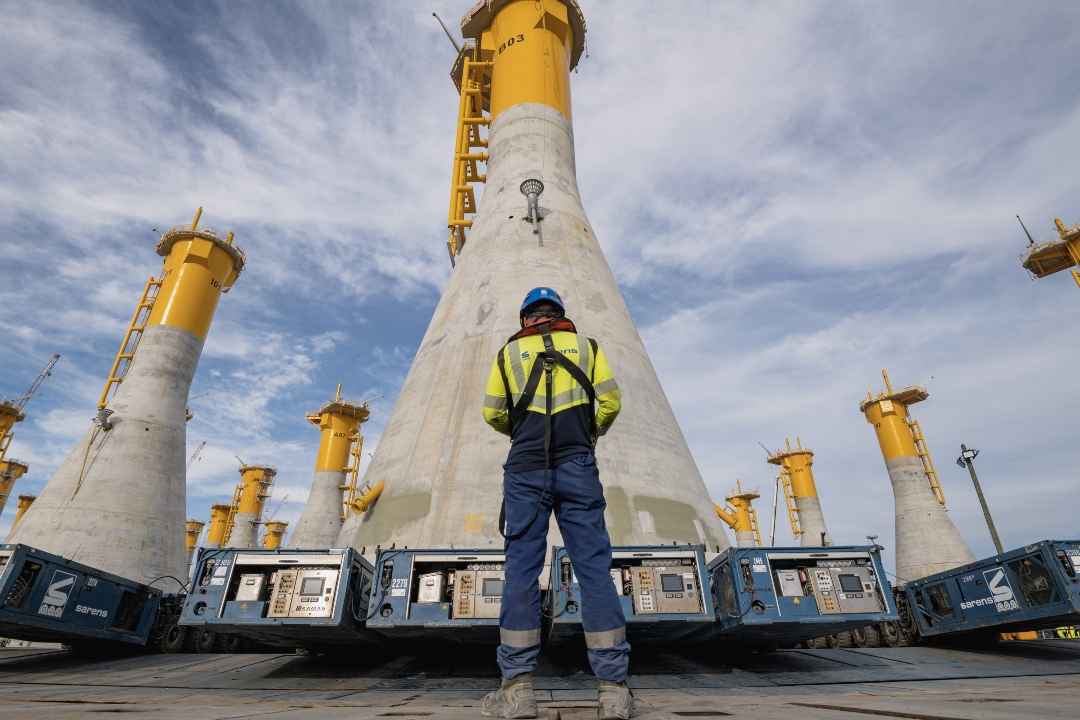
The heavy lifting industry is seeing continued growth alongside long-term workforce challenges, according to industry data and projections tied to global construction and infrastructure demand. While artificial intelligence is increasingly discussed across sectors, less than 5% of occupations requiring physical dexterity in complex environments, including heavy lifting roles, are considered at immediate risk of full replacement by AI, according to the McKinsey Global Institute report “A Future That Works.”
The broader heavy lifting market is expected to exceed $44.6 billion by 2034, with sustained annual growth projected at 5.8%, according to consulting estimates cited in industry reporting. At the same time, the sector is expected to require a workforce increase of 3% to 5% annually to meet demand in areas such as offshore wind energy development, civil infrastructure construction and mining-related projects.
Workforce replacement needs are also significant. Forecasts referenced from McKinsey indicate the construction sector will need to replace approximately 41% of its workforce by 2031 due to retirements. In the U.S., Associated Builders and Contractors estimates the industry will need more than 349,000 new workers in 2026 and 456,000 by 2027 to balance supply and demand.
Industry companies such as Sarens, a global provider of crane rental, heavy lift and engineered transport services, are addressing workforce needs through recruitment from technical schools, internal training programs and career development pathways. Sarens operates training initiatives, including the Sarens Academy in South Africa and Belgium, as well as an internal learning platform offering more than 150 courses.
While AI is expected to support planning and operational design in at least 30% of roles in the sector, physical execution remains largely dependent on skilled operators. According to McKinsey research, AI impact in heavy lifting is more likely to focus on operational planning rather than replacing core field work.
Sarens reports continued hiring needs across sectors, including wind energy, civil construction, oil and gas and aerospace. The company noted it filled 1,580 vacancies in 2025, reflecting ongoing demand for skilled labor across its global operations in 65 countries.